
FAQs | LEAKS AND UNEXPLAINED WATER USAGE
Why Is My Water Bill Suddenly So High?
What might you be experiencing?
You may have received a water bill that is significantly higher than usual, even though your household’s daily routine has not changed. You might also notice the water meter continuing to move when all taps and appliances are turned off, reduced water pressure, damp areas, running-water sounds or unusually wet patches around the property.
What’s likely causing the problem?
A sudden increase in water usage may be caused by a leaking toilet cistern, dripping tap, faulty irrigation system, leaking hot-water unit or damaged pipe hidden underground, beneath a concrete slab or inside a wall. Higher bills can also result from additional household usage, seasonal watering, a recently installed appliance, an estimated previous meter reading or a change in water rates.
What can you do to fix it?
Compare your current and previous bills, check whether the meter reading is accurate and turn off every tap and water-using appliance before checking if the meter continues moving. Inspect toilets, taps, flexible hoses, irrigation equipment and the hot-water system for leaks. If the meter still records usage or you cannot locate the cause, contact a licensed plumber to perform leak detection and repair the problem before it causes further water loss or property damage.
How Do I Check Whether My Water Meter Is Leaking?
What might you be experiencing?
You may have noticed an unexplained increase in your water bill, movement on the water meter when no water is being used, reduced water pressure or damp ground around the meter. In most cases, the meter itself is not leaking; continued movement usually indicates water escaping somewhere between the meter and your fixtures.
What’s likely causing the problem?
The issue may be caused by a leaking toilet cistern, dripping tap, faulty appliance connection, leaking hot-water system or a damaged water pipe underground, beneath a concrete slab or inside a wall. Water pooling inside the meter box could also come from a loose connection, damaged fitting or leak on either side of the meter.
What can you do to fix it?
Turn off all taps, toilets, appliances and irrigation systems without closing the main water supply. Record the meter reading—or photograph it—and avoid using water for at least 30 minutes. If the reading changes, you likely have a leak. If water is escaping from the meter itself or the connection on the street side, contact your local water provider. For leaks on the property side or an unidentified source, arrange professional leak detection and repairs with a licensed plumber.
Why Is My Dishwasher Connection Leaking?
What might you be experiencing?
You may notice water pooling beneath or beside the dishwasher, damp cabinetry, a musty smell, swollen flooring or dripping from the water-supply or waste-hose connections. The leak might occur continuously, only while the dishwasher fills, or when it drains after a wash cycle.
What’s likely causing the problem?
A dishwasher leak may be caused by a loose supply connection, damaged inlet hose, worn washer, faulty isolation valve or incorrectly fitted waste hose. Leaking during drainage can indicate a split or poorly secured drain hose, blocked sink connection or loose hose clamp. Water appearing beneath the appliance may also come from an internal pump, seal or door gasket rather than the plumbing connections.
What can you do to fix it?
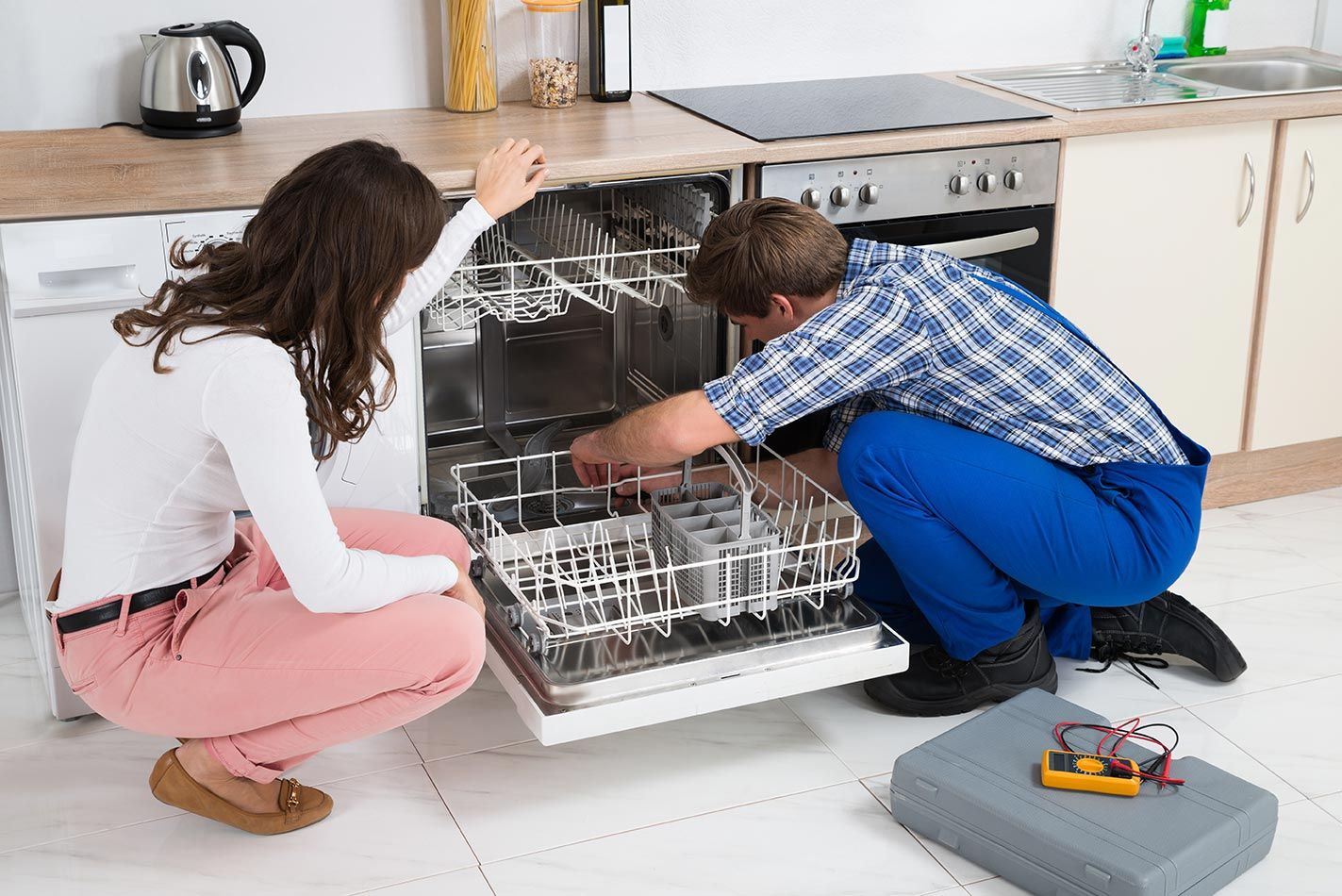
Turn off the dishwasher and close its water isolation valve. Inspect the visible hoses and connections for moisture, cracks or looseness, but avoid operating the appliance until the leak has been identified. A licensed plumber can repair or replace faulty valves, hoses and plumbing connections, while leaks from internal dishwasher components may require an appliance technician. Acting quickly can help prevent damage to cabinets, flooring and nearby electrical components.
Why Is There a Wet Patch on My Wall or Ceiling?
What might you be experiencing?
You may notice a damp or discoloured patch spreading across a wall or ceiling, along with bubbling paint, peeling plaster, mould growth, musty odours or water dripping into the room. The area may become worse after using a shower, toilet or appliance, during heavy rain, or whenever the plumbing system is under pressure.
What’s likely causing the problem?
A wet patch can be caused by a leaking water pipe, damaged waste connection, failed shower waterproofing, overflowing bathroom fixture, leaking toilet or faulty appliance hose. Ceiling stains may also originate from plumbing in the room above, a leaking hot-water system, roof damage, blocked gutters or rainwater entering around flashings. Because water can travel along pipes, timber and plasterboard, the visible patch may not be directly beneath the source.
What can you do to fix it?
Avoid using nearby plumbing fixtures and, if water is actively escaping, turn off the property’s main water supply. Keep clear of affected lights, switches and electrical fittings, and arrange urgent assistance if water is near electricity. A licensed plumber can inspect the plumbing, perform leak detection and repair the source. If no plumbing fault is found, a roofer or waterproofing specialist may be required. The wall or ceiling should only be repaired once the leak has been fixed and the affected materials have dried properly.
Why Is the Ground Always Wet Near My House?
What might you be experiencing?
You may notice permanently damp or muddy ground, pooling water, unusually green grass, soil erosion, unpleasant odours or moisture around the foundations of your home. The wet area may worsen after using plumbing fixtures, running the washing machine, watering the garden or during periods of rain.
What’s likely causing the problem?
Constantly wet ground can be caused by a leaking underground water service, damaged sewer or stormwater pipe, overflowing drain, faulty irrigation system or leaking rainwater tank. Poor surface drainage, blocked gutters and downpipes, groundwater or stormwater flowing toward the house may also be responsible. If the water smells unpleasant or contains waste, a broken or blocked sewer pipe could be the cause.
What can you do to fix it?
Turn off all taps and water-using appliances, then check whether your water meter continues moving. Inspect outdoor taps, irrigation systems, downpipes, drainage pits and the hot-water system for visible leaks or overflows. Avoid contact with the water if sewage may be present. A licensed plumber can perform leak detection, pressure testing or a CCTV drain inspection to identify and repair the source. Prompt attention is important because ongoing moisture can damage foundations, attract pests and encourage mould growth.
What Should I Do If a Pipe Bursts?
What might you be experiencing?
A burst pipe may cause water to spray or rapidly flow from a wall, ceiling, floor or exposed pipe. You might also notice sudden pressure loss, flooding, loud rushing-water sounds, water stains, sagging ceilings or the water meter moving quickly. Even a concealed burst can cause extensive damage within a short time.
What’s likely causing the problem?
Pipes can burst because of corrosion, ageing materials, excessive water pressure, damaged fittings, ground movement or accidental impact during renovations or excavation. Flexible hoses and weakened joints can also split unexpectedly. In some cases, the visible water may originate elsewhere and travel through walls or ceilings before appearing.
What can you do to fix it?
Immediately turn off the main water supply at the meter, switch off any affected water-heating equipment and open a cold tap to relieve pressure. If water is near electrical outlets, lights or appliances, do not touch them—keep away and turn off the electricity at the switchboard only if it is safe. Move valuables away, contain the water where possible and contact a licensed emergency plumber. Do not restore the water supply until the damaged pipe has been professionally repaired and tested.
For Emergency burst pipes Call: 0424 449 291
How Do I Turn Off the Water Supply to My House?
What might you be experiencing?
You may need to shut off the water because of a burst pipe, overflowing fixture, leaking tap, damaged flexible hose or another plumbing emergency. Water may be flowing continuously, causing flooding or threatening damage to walls, floors, cabinetry and electrical fittings.
Where is the shut-off valve likely located?
The main shut-off valve is usually located beside the water meter near the front boundary of the property, often inside a ground-level meter box. Some homes may also have isolation valves for individual fixtures, appliances or hot-water systems. In apartments and strata properties, the isolation valve may be located inside the unit, in a service cupboard or within a shared meter area.
What can you do to turn it off?
Locate the valve on the property side of the water meter and turn it clockwise until fully closed. Lever-style valves are generally off when the handle sits across the pipe. Once isolated, open a low-level cold tap to release the remaining pressure and confirm the flow stops. Never force a seized or damaged valve. If you cannot locate or safely operate it, contact a licensed plumber, building manager or water provider for assistance. If water is near electricity, keep clear and arrange urgent professional help.
Concerned about leaking taps and pipes?
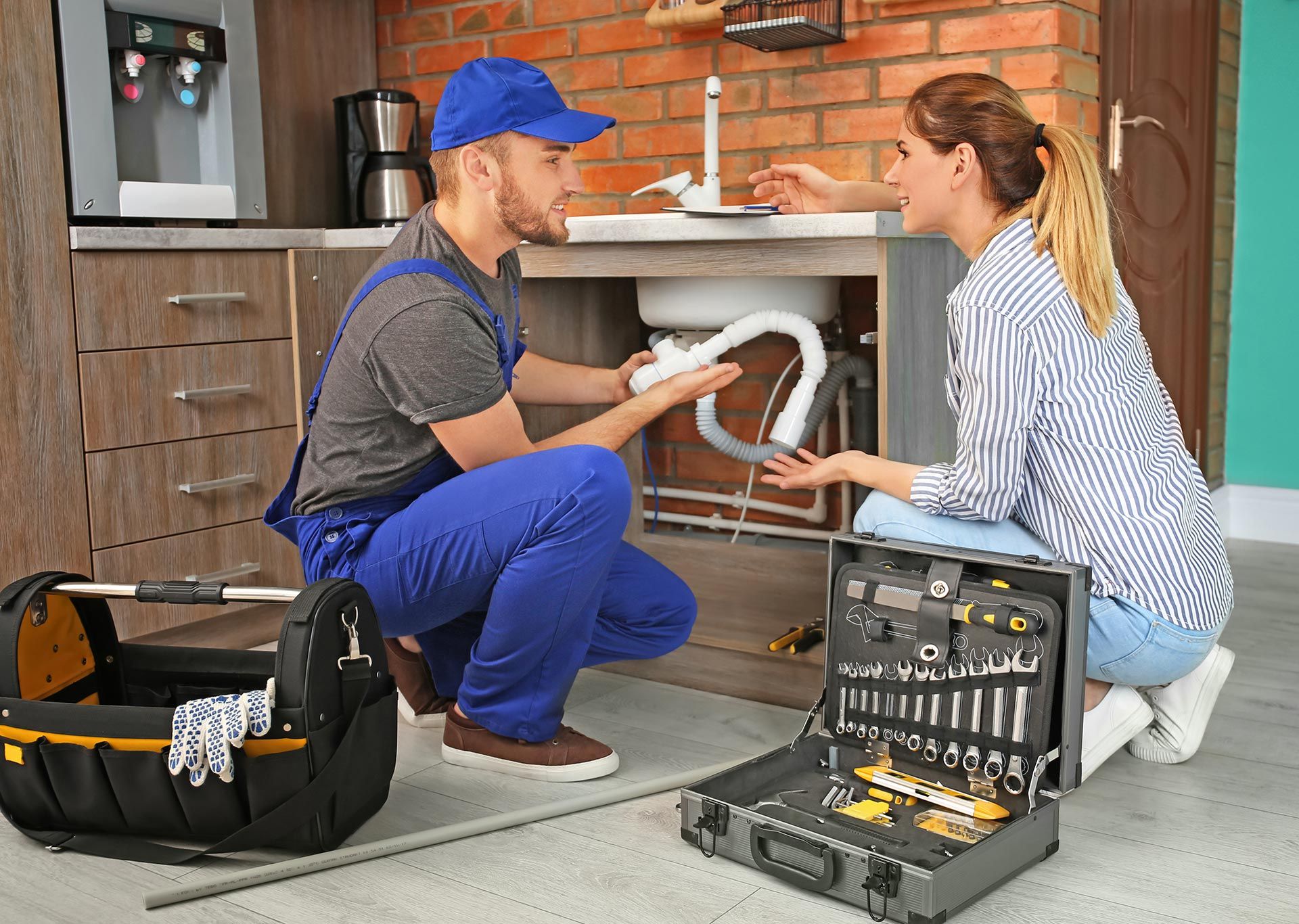
Hire a professional to handle all your plumbing needs. You'll save money & gain peace of mind.